When it comes to finding the perfect memorial for a loved one, choosing the right monument store in NJ can make all the difference. Whether looking for a traditional gravestone, a custom designed memorial, or a personalized tribute, it is important to find a store that offers both expertise and a wide range of options. A monument store in NJ specializes in providing highquality gravestone markers and monuments that commemorate the lives of those who have passed. These stores often work closely with families to commemorate the lives of those who have passed. These stores often work closely with families to create meaningful, unique designs that reflect the personality values and legacy of the deceased. Many monument stores in NJ also offer a variety of materials, such as granite, marble and bronze to ensure that each memorial is both beautiful and durable. One of the biggest benefits of shopping at a local monument store in NJ is the ability to consult with experts who understand the intricacies of cemetery regulations and can guide me through the process of choosing the right monument. From selecting the right size and shape to incorporating meaningful symbols or text the knowledgeable staff can help ensure that my memorial is not only fitting but also complies with cemetery guidelines. Additionally,many monument stores in NJ offer customization options that allow me to add personal touches to the memorial such as engraved quotes, religious symbols or even photographs. This makes it easier for families to create a tribute that truly honors the life and memory of their loved one. In conclusion a monument store in NJ provides families with the opportunity to find a lasting tribute that is both meaningful and high quality. With expert guidance and a range of customizable options I can be sure the memorial I choose will be a fitting tribute to my loved one memory for years to come.
A Taste of Swiss in My Life
I love to travel. It always makes me feel good to see other places and other cultures. Everyone should travel at least once in their life. One of the best trips that I took was to Switzerland. I loved everything about that place. The food and architecture was so amazing. One thing I really loves were the women. Swiss women are some of the most beautiful women I have ever seen. Sadly, I had to return home after my vacation was over. While in Utah, I looked up escorts in salt lake city for companionship. I wanted to relieve that moment again.
After my trip, I could not stop thinking about the beautiful Swiss women that I met. I loved their golden, blond hair and their blue eyes that were like the ocean. I tried to date other women, but I was not satisfied. These women did not fulfill me or my needs. I realized that I was only attracted to Swiss women exclusively. I knew that only Swiss women would do.
Later that day, I contacted an escort service ran by a European company. I scanned their website for information. The pricing for the women seemed reasonable. I saw some of the pictures of the collection of beautiful women. The website had an eclectic selection of women to choose. I saw one woman that took my breathe away. Her name was Heidi. She had all the features that I liked. Her eyes were so beautiful and hypnotizing. I knew I had to have her. I contacted her immediately.
When Heidi showed up at my house, I was blown away. She was more beautiful in person. She was also very tall. She was about six feet tall. The website said that she played volleyball in the past. I was so smitten by her. We went out and had a great time.
A New and Fresh Event Approach
Corporate party entertainment has in recent years become mundane and repetitive as many companies have done the same type of event with the same activities and formats year after year. The repeating themes of these parties have become rather boring and ho-hum to the invitees. Many companies have become aware of this issue and are exploring alternative ideas for the annual corporate parties, trying to bring back the excitement and anticipation which has waned among the participants.
Some companies have chosen to try different ideas through internal planning but find that the time and effort to produce something different year after year is taxing and not the most efficient use of company resources. A new alternative which has become increasingly popular is the hiring of a corporate event planner specializing in these types of events. From venue planning and decorating to novel experiences for the attendees in the presentation of food & beverages the event planner plans and executes a memorable affair that will be talked about for months, bringing regrets to those who were unable to attend.
One event planner that has explored and designed features which include all types of musical acts from Gospel Choir to Roaming Bands, Fortune Tellers, Human Champaign Table, Trapeze Servers, and many other ideas is a company called Chosen Events Entertainment. They have the professional staff which have planned and executed any type of event that you can imagine. Profesional event planners take away all the stress involved in planning and executing your party and allow you to relax and enjoy the event, which will surely enhance the ambiance by allowing your company leaders to spend time with the party attendees. Certainly, the funds that are spent on an event are meant to create value-not create a burden on the company, and way to guarantee a memorable party is through hiring an experienced party planner.
Plastic bag making machine troubleshooting
Plastic bag making machine problem solution in Dubai,Ajman,Umm al-Quwain,Abu Dhabi,Sharjah,Fujairah,United Arab Emirates
Plastic Bag Machine is the final step in the manufacturing and processing of plastic bag. If the performance of bag making process isn’t high enough or the quantity of waste is excessive, the previous processes , such as blowing film machine or composite printing machine could end up being used up and downstream customers are likely to have an enormous effects on the manufacturing and operations.
1. What can I do if my bag’s contents leak or become damaged because of the insufficient sealant of the plastic bag machine?
Cause: Low anti-pollution heat-sealability for the film, mostly due to the resin that is used in the sealing layer isn’t suitable for.
Countermeasures: Select a film that has excellent anti-pollution heat-sealability. The general rule is that ldpe has moderate anti-pollution heating capacity. EVA is a good anti-pollution heat sealability in the event that the VA contents are large. Ionic resin and metallocene-based polymer It is extremely effective in preventing pollution heat-sealability.
2.What can I do when the seal of the plastic bag machine isn’t as strong?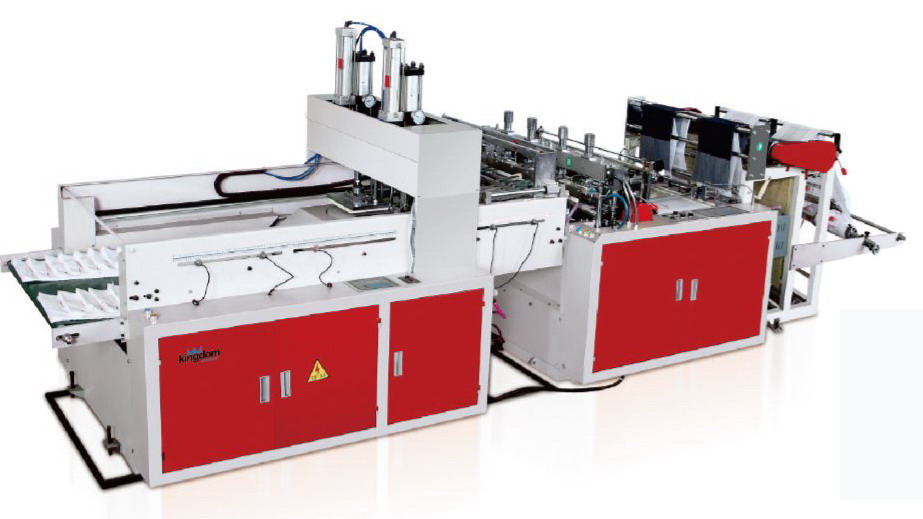
Video of plastic bag machine
http://www.youtube.com/watch?v=C9PBt-nbg2I
Reasons:
1. The temperature of heat sealing is excessively high.
2. The pressure is too high.
3. The time to seal heat is too long.
4. Edge of upper section of the sealer sharp or the PTFE coating is damaged.
5. The seal on the bottom is Silicone rubber that is too for the job;
6, in the process of compounding and curing during the curing and compounding process, a portion of the adhesive gets absorbed into the film. When the substrate is impacted by the adhesive. As a result, the hardness (that is, resistance to impact) has diminished and the brittleness grown;
7 Plastic composite baggies for packing Following cooling and putting in place the bags, the durability of the heat seal improves and the bag also begins to harden.
Countermeasures:
1. Based on the heat sealing properties of the outer sealing layer material, choose the right temperatures, pressure, and time to seal the heat;
2. Improve the surface quality of the top heat sealing knife so that it makes the sealer’s surface smooth;
3. Wrap the cloth with polyethylene. The wrapping is still intact.
4. Select a pad made of silicone that is of the right degree of hardness.
What can I do if my bag starts to shrink after being sealant by the bag maker?
The reason:
1. The film’s thickness is variable;
2. The temperature for heat sealing is too high, or the time to seal can be too lengthy.
3. In the heat sealing knife’s longitudinal section The running path of composite films isn’t straight.
4. Insufficient cooling.
5. The time for curing isn’t enough.
6. The film on the surface is not very resistant to heat.
7. Inadequate control of the tension-matching to the substrate of the composite during the process of compounding causes residual stress following curing and setting, particularly in cases where the composite film is smaller this type of failure is more likely to occur.
Countermeasure
1. The tension can be adjusted on the roller floating.
2. Utilize an inner sealing base material that has low temperature heat sealability.
3. Adjust the temperature of the heat seal to the appropriate temperature.
4. It is important to cool down.
5. Create a film that is mature.
6. Re-select the film on the surface.
7. Adjust the tension on each component of the composite processing equipment, and then try to ensure that both substrates shrink the same.
What can I do if I notice that the outer shape of the heat-sealed exterior of the bag-making machine isn’t clear after sealing? (The knife’s pattern isn’t evident)
The reason is:
1. The cooling process is short.
2. The cooling plate is not in good contact with the plate
3. When the pad of silicone is heated, the edges melt.
4. Forces of heat sealing in the longitudinal direction that are not balanced
5. Its edge on the heat sealing knife is sloping and blunt.
Countermeasure
1. Set the cooling time.
2. Adjust the cooling plate to your liking.
3. Adjust or replace the knife that seals heat
4. Avoid melting at the edge due to overheating of the silicon pad.
What can I do if the sealing capacity of the bag maker is weak after sealing?
the reasonfor this:
1. The adhesive contained in the composite film hasn’t been properly cured.
2. The conditions for heat sealing are not appropriate.
3. Between the knife that seals the temperature and the cooling knife is too long.
4. There is an issue with the inner layer of sealing.
5. The ink’s heat-sealability is weak, resulting in a reduction in the strength of composites of the film in the sealed part.
6. Dust and spray powders as well as other substances stick on the cover.
7. The strength of the composite is not high or the strength of the heat sealed place decreases too much.
Countermeasures:
1. Help to promote the hardening process of adhesive (curing or curing) by preserving heat and aging. This will improve the strength and resistance to heat of the film.
2. Find the ideal conditions for heat-sealing (temperature as well as time and pressure) in accordance with the structure of the material, its heat-sealing state and so on. Or, you can enhance the method of heat-sealing, and then cool down right away after the heat-sealing process.
3. Examine the shelf time and storage conditions of the film that is heat-sealable. If the film is made of the film from the previous batch and also the film has been sealed with heat requires special attention, it is recommended to do so.
4. The thickness of the film that can be heat-sealable.
5. Modify the type and the grade of the film that can be heat-sealable and choose a film that has anti-pollution heat-sealability.
6. Verify that the quality of the adhesive meets standards (the release of low-molecular substances in the resin can alter how the glue is made)
7. Improve the heat sealing efficiency in the layers of heat. regulate the contents of the slip agents and utilize the mlldpe film.
8. Monitor the monomer concentration in MDI within the composite adhesive.
What can I do if the formation of air bubbles, or uneven surface are found in the heat-sealed area of the bag-making machine?
The reason:
1. When heat-sealing is applied to an object made up of hygroscopic material like nylon film the hygroscopic film can create air bubbles after it is absorbed by moisture.
2. The heat-sealing blade or pad of silicone is not even.
3. Insufficient pressure for heat sealing.
4. One-component adhesives, like neoprene adhesives when sealing bags with heat are used, the heat cover can be prone to pits.
Countermeasures:
1. Make sure to store the semi-finished and raw materials in a proper manner to prevent the absorption of moisture.
2. Make sure to adjust or test or adjust the knife for heat sealing as needed and the heat sealing pad.
3. Remove the tape.
If you need any information of blown fim extrusion,plastic bag machine,printing machine,please feel free to contact us. Kingdom Machine Factory Mobile:0086-13088651008;0086-13958812663;
Whatsapp/Viber/Tango:0086-13088651008;0086-13958812663;
sale@kingdommachine.com;kingdombillwang@hotmail.com; www.blownfilmextrusion.com; www.kingdommachine.com;
Ruian Economic Zone,Wenzhou,China
The Evolution of Technical Sandals: Strap Engineering Meets Trail-Ready Aesthetics
Technical sandals have undergone a remarkable design evolution, transforming from basic outdoor utility items into prominent warm-weather fashion items. Featuring high-grade webbing straps, quick-release magnetic buckles, and heavy-duty lug soles, modern utility sandals offer maximum foot breathability without compromising traction or support on rough terrain.
Ergonomic Strapping Systems and All-Day Foot Security
Traditional summer sandals often lack secure heel locking, leading to foot slipping and discomfort during extended walking. Technical sandals solve this issue through multi-point adjustable webbing systems. Durable nylon or recycled polyester straps wrap around the ankle, instep, and forefoot to hold the foot securely against the footbed. Magnetic Fidlock buckles and heavy-duty Velcro closures allow users to make quick micro-adjustments, ensuring a personalized, comfortable fit for any foot shape.
High-Performance Soles in Open-Toe Designs
The physical support of a technical sandal comes directly from its bottom unit design. Anatomically contoured EVA footbeds with built-in arch support prevent flat-foot strain, while dense polyurethane midsoles absorb high impact on hard concrete or rocky paths. Outsoles molded from specialized slip-resistant rubber compounds provide firm grip across wet river rocks and slick urban sidewalks alike, delivering performance comparable to high-end hiking shoes in an open-air design.
Modern Styling Across Urban Environments
The practical, rugged look of technical sandals makes them an engaging addition to contemporary summer wardrobes. Styling strap sandals alongside relaxed utility shorts, technical cargo pants, or loose linen trousers creates an authentic, outdoor-inspired urban look. During cooler transitional weather, pairing clean technical sandals with contrasting thick cotton socks offers a bold, functional style statement. Technical sandals prove that open-toe summer footwear can deliver robust performance, security, and standout contemporary design.
Breathable Woven Knit Sneakers: The Future of Lightweight Summer Footwear
As warm-weather seasons become longer and city living demands high foot mobility, lightweight woven knit sneakers have become essential summer footwear. Replacing traditional rigid leather and synthetic upper panels with single-piece knitted textile structures, these shoes deliver exceptional airflow, sock-like comfort, and dynamic adaptability for hot weather conditions.
Precision Engineered Upper Construction
The defining feature of woven knit sneakers lies in computer-driven digital knitting manufacturing. This technology allows engineers to program varying knit densities into a single piece of fabric. Tight, rigid knit structures are strategically positioned around the heel counter and midfoot to supply stability, while loose, open-weave patterns cover the toe box to maximize airflow and heat dissipation. This seamless construction eliminates internal stitching friction, significantly reducing the risk of blisters during extended walking without socks.
Weight Reduction and Compact Travel Convenience
Beyond superior breathability, knit sneakers offer unmatched weight savings compared to traditional footwear. Weighing only a fraction of classic leather shoes, they reduce leg fatigue during long days of walking. Furthermore, their soft, flexible upper construction allows them to pack flat inside luggage, making them an ideal footwear choice for modern frequent travelers who prioritize minimal packing space without sacrificing daily comfort or style.
Styling Knitted Footwear for Warm Seasons
Woven knit sneakers excel when paired with lightweight, warm-weather garments. Combining clean knit shoes with breathable linen trousers, tailored shorts, or relaxed cotton chinos creates a breezy, athletic-inspired summer look. By prioritizing breathability, reduced weight, and adaptive support, woven knit sneakers remain an irreplaceable component of modern warm-weather wardrobes.
Monochromatic Footwear Design: The Subtle Power of Single-Tone Footwear
In a market often characterized by bright color blocking and high-contrast logos, monochromatic footwear design offers a powerful statement through understated unity. By rendering the upper, laces, eyelets, midsole, and outsole in a single uniform color, designers create clean, sculptural footwear that emphasizes silhouette, texture, and structural design.
Emphasizing Material Texture Over Color Contrast
When color contrast is removed from a shoe, material texture becomes the primary focal point. Monochromatic design relies on contrasting material textures to generate visual interest. A single-tone shoe might pair buttery suede side panels with matte full-grain leather, high-density mesh, and translucent rubber outsoles, all dyed to the exact same tone. Light reflects differently across each surface texture, creating depth and character without relying on jarring color combinations.
Enhancing Visual Continuity in Personal Styling
Monochromatic shoes serve as versatile styling tools that simplify outfit building. Matching the color of your footwear to your trousers creates an uninterrupted vertical line, visually lengthening the legs and creating a taller, cleaner silhouette. Whether utilizing crisp all-white tones, muted tonal olives, deep navies, or classic triple-black designs, single-tone footwear introduces a cohesive, intentional feel to casual and formal attire alike.
The Timeless Appeal of Tonal Dressing
Unlike trendy color combinations that rapidly fall out of style, tonal monochromatic footwear retains long-term aesthetic relevance. The clean, unified design language allows these shoes to seamlessly adapt to shifting wardrobe styles over time. By prioritizing form, texture, and clean execution, single-tone shoes demonstrate that quiet restraint often makes the strongest sartorial statement.
Platform Boots and Chunky Heels: Elevating Winter and Transitional Footwear Styles
Platform boots and thick-soled lug heels have firmly established their presence in autumn, winter, and transitional fashion seasons. Offering dramatic vertical height along with practical ground clearance during wet weather, these bold silhouettes provide an empowering foundation for contemporary personal style.
Balancing Height with Daily Walkability
Unlike traditional thin-soled high heels, platform boots offer substantial elevation without forcing the foot into an unnatural pitch. By raising the forefoot with a thick platform base, the functional heel incline is minimized, allowing wearers to gain height while maintaining balance and walkability on city streets. Deep lug soles crafted from durable lightweight rubber compounds further improve grip on slick surfaces, blending eye-catching dramatic proportions with practical daily function.
Creating Striking Silhouette Contrasts
The visual heft of a platform boot serves as an ideal counterweight to heavy cold-weather apparel. Wearing thick platform boots alongside long wool overcoats, heavy knitwear, or oversized puffer jackets restores visual equilibrium to the total outfit. The strong ground presence of a thick boot prevents heavy winter layers from appearing top-heavy, providing a grounding anchor that stabilizes bold fashion choices.
Material Variations for Year-Round Adaptability
While dark black box calf leather remains the traditional choice for platform boots, modern design houses are expanding into versatile cream, lugged olive, and rich burgundy tones. Matte suede finishes soften the bold shape, making platform boots suitable for gentle spring transitions alongside floral dresses or tailored trousers. Platform boots confirm that bold visual proportion and physical comfort can work in complete harmony.
The Evolution of Mule Footwear: Backless Comfort Takes Over Smart-Casual Fashion
Mules and backless slip-on shoes have completed their transition from relaxed indoor wear to dominant outdoor footwear trends. Providing effortless entry paired with refined upper tailoring, modern mules satisfy the contemporary demand for footwear that prioritizes both comfort and polished aesthetics.
The Rise of Easy-On Elegance
The rapid popularity of backless footwear reflects a broader cultural shift toward ease and comfort in daily dressing. Modern lifestyle demands favor clothing and shoes that can be put on without hassle. Mules answer this need directly. Eliminating the heel counter allows wearers to step into their footwear instantly while retaining the tailored front silhouette of a formal shoe, penny loafer, or closed-toe slide.
Structural Innovations and Heel Support
Early critics of mule footwear raised concerns regarding slip hazards and foot fatigue caused by lack of rear support. Contemporary footwear designers have addressed these issues through intelligent anatomical shaping. Deepened heel cups, contoured footbeds, and wider upper vamps keep the foot securely anchored during natural walking motions. Additionally, dense cork midsoles and shock-absorbing EVA rubber outsoles ensure that modern mules provide all-day comfort on hard paved surfaces.
Styling Mules for Modern Daily Wear
Mules possess a unique ability to add an effortless, stylish touch to smart-casual outfits. Pairing leather or suede mules with relaxed cropped trousers allows the backless structure of the shoe to be visible, creating a clean ankle line that visually lengthens the legs. For cooler seasons, wearing rich suede mules with tonal wool socks creates a cozy, textured look. Mules prove that casual ease does not require compromising on refined personal style.
Minimalist Leather Sneakers: The Essential Anchor of the Contemporary Capsule Wardrobe
In an era often dominated by rapidly changing footwear trends, minimalist leather sneakers remain a steadfast foundation for modern personal style. Characterized by clean paneling, subtle branding, and premium construction, these low-profile shoes offer unmatched versatility across diverse dress codes and daily environments.
The Mastery of Subtle Craftsmanship
Stripping a sneaker down to its fundamental elements leaves no room for hidden manufacturing flaws. Minimalist leather sneakers depend on premium full-grain leathers, precision stitching, and refined LAST shapes to achieve their elevated appearance. Margins, edge painting, and heel counter stitching are given meticulous attention, ensuring that the finished shoe looks refined and sophisticated. The absence of loud logos or flashy design elements directs all visual attention to the quality of the materials and the clean silhouette.
Seamless Transition Across Dress Codes
The primary advantage of a high-quality minimalist sneaker is its complete adaptability. Unlike technical runners or chunky dad shoes, a clean leather sneaker transitions easily from a casual weekend outfit to a business-casual corporate office. Worn alongside a crisp suit, it softens formal clothing into an approachable, modern ensemble. Combined with simple tailored shorts or denim, it elevates casual attire without appearing over-styled.
Care and Maintenance for Long-Term Longevity
To maintain their refined appearance, high-grade leather sneakers require minimal but consistent care. Regular conditioning with quality leather creams preserves flexibility and prevents surface cracking, while cedar shoe trees preserve structural integrity between wears. Replacing worn laces and spot-cleaning outsoles ensures these footwear pieces maintain their sleek look for years, reinforcing their status as a cornerstone of sustainable, minimalist capsule wardrobes.
High-Tech Utility Footwear: Integrating Technical Performance into Casual Fashion
The line separating outdoor performance gear from daily urban fashion has faded completely. High-tech utility footwear, characterized by weatherproof membranes, rapid-lacing systems, and aggressive trail outsoles, has moved from rugged alpine trails directly into urban wardrobes. This shift highlights a modern preference for practical, highly functional items that withstand harsh environmental conditions while delivering a distinct visual style.
Functional Innovations in Daily Footwear
The core appeal of technical footwear stems from its engineered problem-solving capabilities. Waterproof and breathable membranes like Gore-Tex allow feet to stay dry during rainstorms without overheating. Quick-pull cord locks and Boa dial lacing systems replace traditional shoelaces, offering precise tension adjustment with a single hand movement. Furthermore, specialized rubber compounds engineered for wet surfaces provide superior grip on slick city streets, proving that outdoor performance technology delivers tangible daily benefits in urban settings.
Blending Outdoor Function with Urban Aesthetics
Integrating high-tech performance gear into everyday street fashion requires an appreciation for functional design details. Visual cues such as heat-welded synthetic overlays, reflective trims, and durable ripstop nylons lend a sleek, technical character to simple casual outfits. Modern styling pairs these rugged shoes with wide-leg cargo pants, technical shell jackets, or even structured wool coats to construct a deliberate contrast between technical utility and traditional tailoring.
Long-Term Value and Physical Durability
Investing in utility footwear offers practical benefits beyond current trends. Built to endure demanding outdoor conditions, these shoes feature abrasion-resistant toe caps and highly durable rubber outsoles that outlast standard casual sneakers. By choosing high-performance footwear, consumers gain long-lasting durability, weather protection, and dynamic technical style wrapped in a single, versatile product.
Earthy Tones and Organic Materials: Sustainable Trends Transforming Modern Loafers
The modern loafer has undergone a significant transformation, evolving from traditional formal footwear into a flexible canvas for eco-friendly craftsmanship. As consumers increasingly favor subtle elegance and sustainable production, footwear brands are updating classic slip-on silhouettes with organic textiles, natural chrome-free leathers, and grounding, earthy color palettes.
Shifting from Glossy Black to Warm Natural Palettes
While traditional polished black leather loafers remain a classic wardrobe staple, contemporary updates emphasize softer, warmer hues. Taupe, olive green, terracotta, warm oak, and natural sand tones dominate current footwear collections. These subtle shades make loafers vastly more adaptable across casual, business casual, and smart-casual wardrobes. The matte finish of vegetable-tanned leathers and brushed suedes further enhances the earthy visual, presenting a relaxed yet refined alternative to glossy dress shoes.
Eco-conscious Soles and Natural Textile Integrations
Beyond visual aesthetics, the construction materials underpinning modern loafers reflect an industry-wide commitment to environmental responsibility. Soles crafted from natural latex rubber, upcycled cork compounds, and sugarcane-derived foams offer exceptional flexibility and cushioning while reducing reliance on petroleum-based synthetic rubbers. Additionally, soft linings woven from organic linen, hemp, and recycled cotton ensure maximum breathability, allowing loafers to be worn comfortably without socks during warmer seasons.
Versatility in Modern Everyday Styling
The relaxed aesthetic of modern loafers allows them to bridge the gap between structured formal wear and casual daily clothing effortlessly. Styling textured suede loafers in earthy tones alongside relaxed-fit linen trousers, raw denim, or unconstructed suits creates an effortlessly tailored look. By combining natural materials with comfortable slip-on designs, modern loafers provide a practical, stylish, and environmentally conscious footwear solution for everyday wear.
The Resurgence of Retro Runners: Blending Nostalgic Aesthetics with Modern Comfort
Nostalgia remains one of the most powerful forces driving global fashion, and nowhere is this clearer than in the modern renaissance of vintage running shoes. Retro runners originally designed decades ago have reclaimed their place as foundational daily wear. By pairing classic upper paneling with state-of-the-art cushioning technology, modern brands are successfully satisfying both visual nostalgia and demanding physical expectations.
The Appeal of Classic Panel Geometry
The visual charm of retro runners lies in their intricate upper construction. Multi-layered panels of breathability-focused mesh, synthetic suede, and soft leather overlays provide a distinct tactile and visual texture that sleek, single-knit modern shoes often lack. This paneling dynamic creates natural opportunities for complex, retro-inspired color blocking or refined tonal variations. For style enthusiasts, these classic proportions offer a versatile middle ground between aggressive technical sneakers and ultra-minimalist dress shoes.
Upgraded Cushioning Behind the Vintage Exterior
While the visual exterior pays homage to classic athletic design, modern iterations are engineered with updated midsole technologies. Early EVA foams have been replaced by nitrogen-infused polymers and high-rebound polyurethane compounds concealed within vintage-style midsole housings. This ensures that wearers experience lightweight impact protection and superior arch support without sacrificing the iconic retro aesthetic. The result is a shoe that can handle full-day wear across urban environments without inducing foot fatigue.
Styling Retro Runners across Modern Contexts
The inherent versatility of vintage running shoes allows them to transition seamlessly between casual wear and smart-casual environments. Pairing retro runners with relaxed tailoring or cropped trousers creates an engaging contrast between casual sportswear and structured formality. Choosing clean, neutral palettes elevates the look for casual workplaces, while vibrant colorways add personality to weekend wear. Retro runners prove that classic design principles, when paired with updated ergonomic technology, remain eternally relevant in contemporary fashion.